
Regeneration and Fragility: The NEB for small municipalities that make a difference
Municipalities, dedicated to developing inclusive, sustainable, and beautiful projects for the built environment, restructuring, and adapting buildings and public spaces in municipalities with under 20,000 inhabitants. Two of the winning projects came from municipalities of Emilia-Romagna, in the province of Modena: Soliera and Campogalliano. We met the Mayor of Soliera, Caterina Bagni, and the Mayor of Campogalliano, Daniela Tebasti, along with Councillor Filippo Petacchi, and they shared their experience with us.
26 March 2026
In 2025, six Italian municipalities won the European award NEB Boost for Small
Municipalities, dedicated to developing inclusive, sustainable, and beautiful projects for the built environment, restructuring, and adapting buildings and public spaces in municipalities with under 20,000 inhabitants. Two of the winning projects came from municipalities of Emilia-Romagna, in the province of Modena: Soliera and Campogalliano. We met the Mayor of Soliera, Caterina Bagni, and the Mayor of Campogalliano, Daniela Tebasti, along with Councillor Filippo Petacchi, and they shared their experience with us.
What do the NEB Boost winners' projects of Campogalliano and Soliera consist of?
Daniela: The Social Housing urban regeneration project in Campogalliano involves
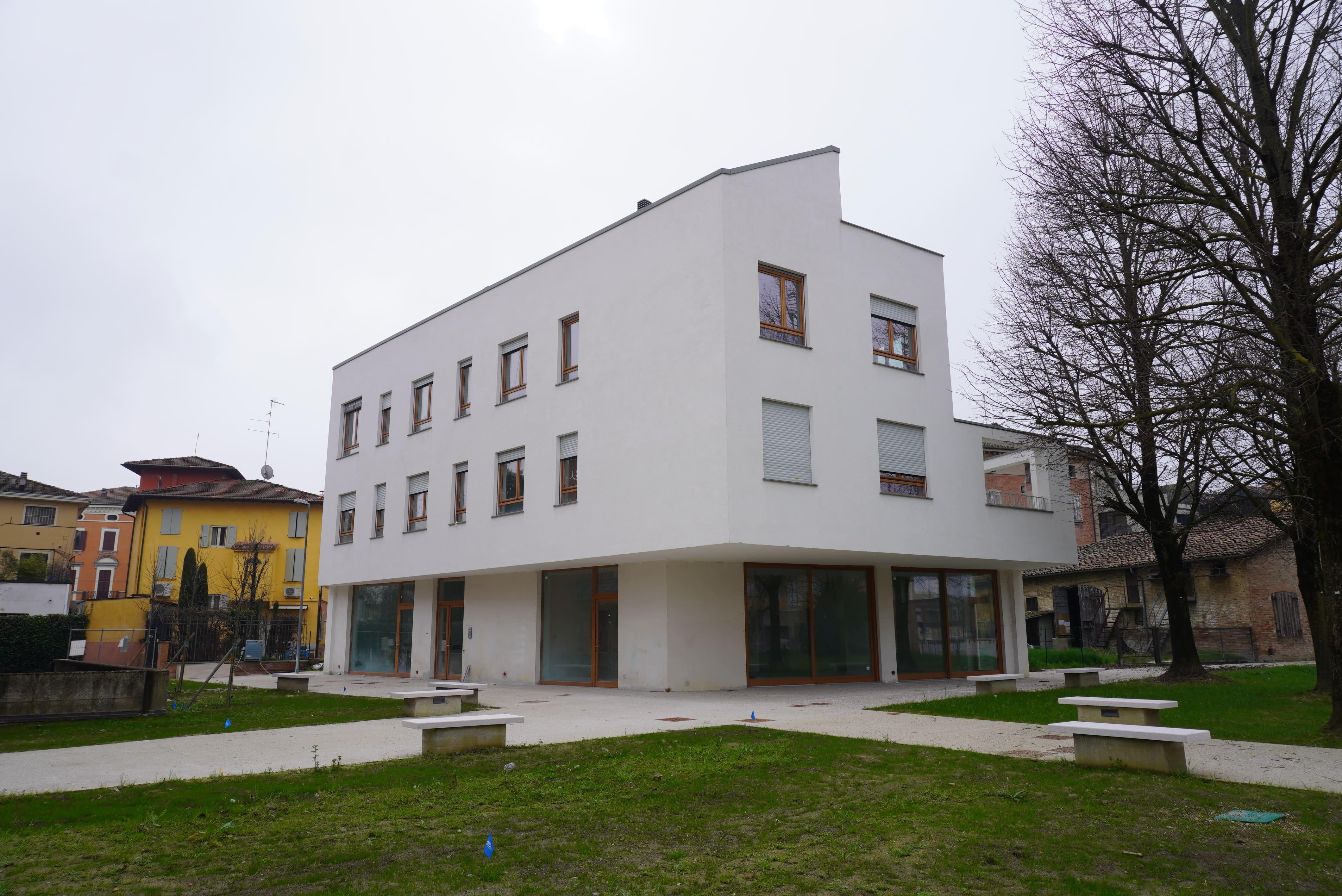
the regeneration of an old warehouse in the city center. This project, addressing the quality of life for the elderly, was conceived by previous administrations, in particular by the former mayor Paola Guerzoni. As life expectancy increases, the elderly find it more difficult to move independently, and many old apartment buildings with architectural barriers do not have the suitable structure for installing elevators or mechanical stair lifts. To provide an answer to this problem, the idea was to transform this old warehouse into an apartment building with seven flats, free of architectural barriers, energetically autonomous, and situated in an urban green context, with ample common areas.
Caterina: The Soliera pro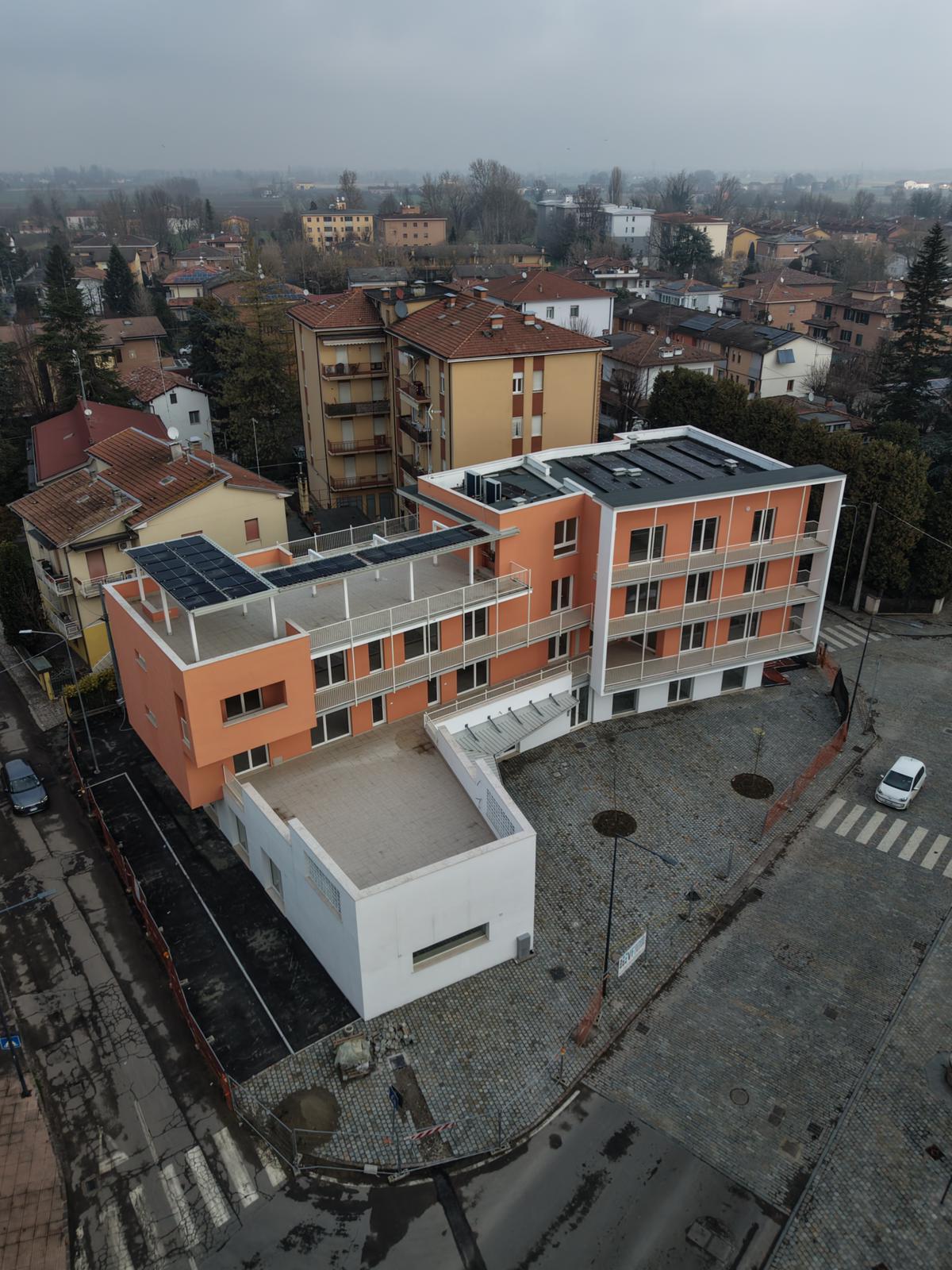 ject is called Condominio solidale (Solidarity Condominium), and consists of the construction of a residential building in the town center to gather within it two types of solidarity-based activities. On one hand, it aims to contribute to providing a solution to the housing problem with social housing apartments, and on the other, activities related to the theme of "after us" for people with disabilities. In fact, the ground floor of the building hosts spaces for activities already present in our territory, aimed precisely at people with disabilities, and the first floor has residential spaces to develop the autonomy of these people.
Both of these buildings are regenerated spaces dedicated in different ways to accomoating fragilities. How are they positioned in the urban space and in the life of the neighborhoods?
Caterina: The Condominio Solidale is located near the historic center. The identified location is consistent with the analysis path previously developed in collaboration with the Politecnico di Milano and subsequently included in the municipality's urban and planning documents. It effectively constitutes a "bridge" between the historic center and its expansion due to the growth of residential settlement. An existing building already destined for youth policies activities stands in this area, and this proximity — the relationship between the buildings — generates a square, a public place for dialogue, aggregation, and relations between different networks of the social and economic fabric.
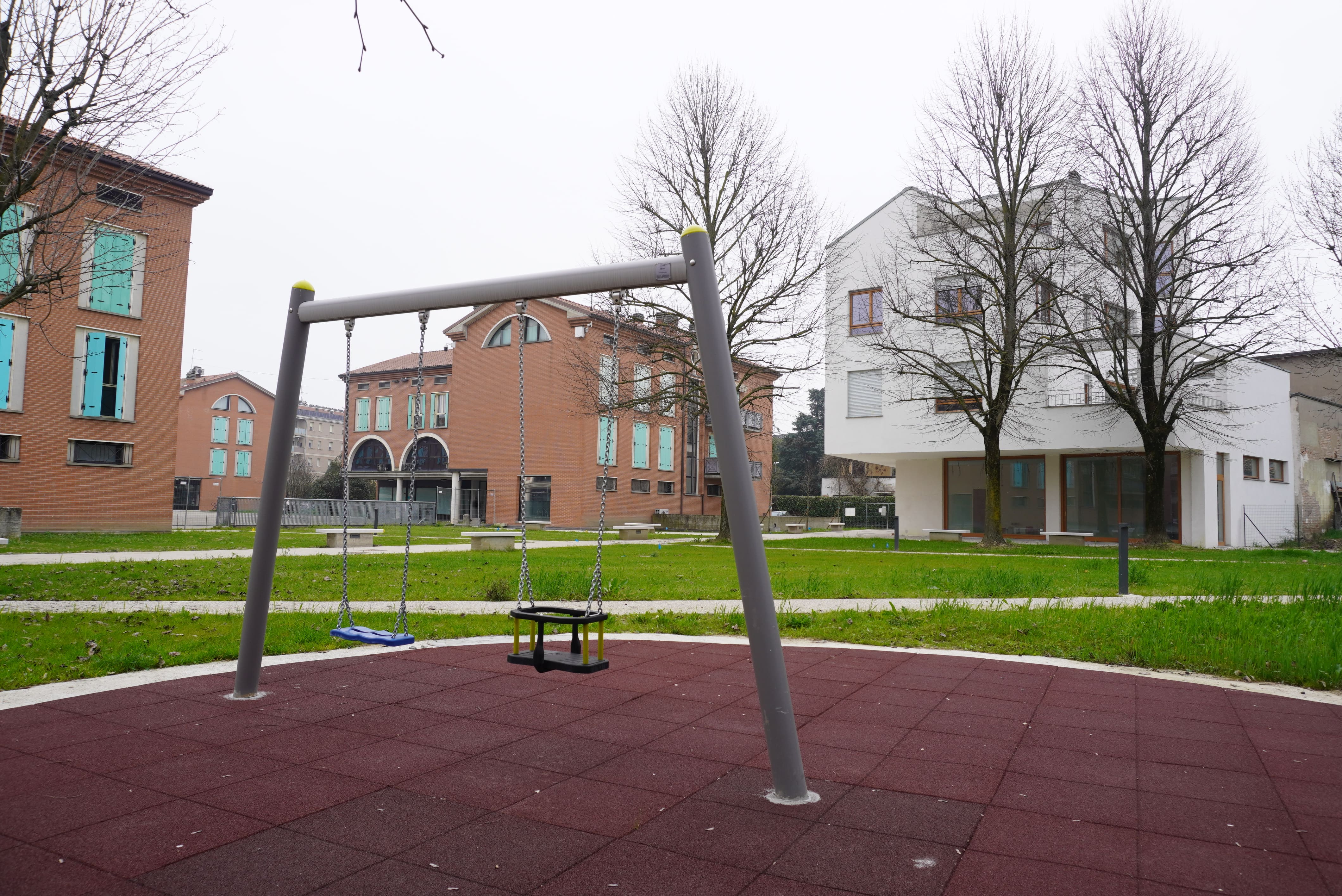
Daniela: The choice of the Social Housing building and its location in Campogalliano is also the result of a collaboration with the Politecnico di Milano and the outcome of a participatory process with the citizens. Also in relation to Law 24 on soil consumption, the area was identified, allowing us to ideally enlarge the main square and create a requalified belt with another, more enclosed square upon which the building faces. The regenerated building acts as a link between the historic square and the Parco della Bilancia (Scale Park), which has also been requalified, with our annexed Museum of the Scale, one of the most important centers for the history and identity of Campogalliano. This will be able to favor the presence of seniors, young people, families, and children. The ground floor of the Social Housing is dedicated to the seniors' club but with a space open to intergenerational dialogue.
 What transformative impact do you foresee? What has been the relationship with the population?
Daniela: The intervention does not concern only the regeneration of the building but also a place where the community can gather. Also born from listening and dialogue with citizens and the social club La Quercia, the ground floor spaces of the Social Housing will have a large room for the cafeteria, a “memory gym” where people can watch films and listen to music, while another smaller room will have the dual function of a kitchen and a reading room for students. The large windows on the ground floor facilitate the relationship with the surrounding spaces.
Filippo: Campogalliano's Social Housing is a social condominium that provides for
apartments rented at a controlled price, for people with economic hardship or who have a large home with architectural barriers that is no longer suitable for their needs and which can be put up for sale. We are also working with the council on a call for bids for the assignment of an apartment to a young couple who can act as managers or caretakers of the social condominium.
Caterina: In Soliera, the analysis of the historic center's development was at the heart of an ideas competition for designers, which also required an evaluation by the citizenry of the projects presented. Regarding the design of the Condominio solidale, the Administration involved the association “Gruppo genitori figli con handicap” (Group of Parents of Children with Disabilities), which has been active in Soliera for forty years and which offers educational workshops, recreational activities, and inclusive sports projects for girls, boys, and young people, creating paths for socialization and autonomy*. The project grew mainly by considering the needs of families who must plan for the future of their children. It was a delicate process of discussion with the association, social services, and Acer, which manages the municipality's public residential building heritage. I believe an important research effort was also made regarding the quality of the accommodation and living spaces. The issue of resources is very important because it is part of the sustainability of future management*. Studies were conducted on energy saving, the use of energy from renewable sources, and the internal-external dialogue of the spaces.
What does winning the NEB Boost mean for your municipalities?
Daniela: First and foremost,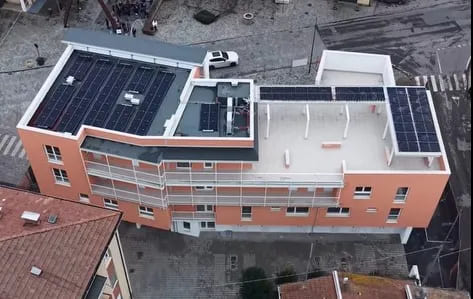 it is a confirmation, because the project was carried out without knowing the NEB and its values of sustainability, inclusivity, and beauty. The NEB Boost showed us that the work was appreciated by experts at a European level and confirmed the soundness of the project, which began under the previous administration in 2019-2020, and which we will complete in April. The economic prize of 30,000 euros will remain available for the project and will contribute to the expenses for its completion. Alongside all this, there is also the visibility gained at the European and national levels. There were many communities in Brussels, and it was a wonderful opportunity to exchange experiences. In addition to this, the prize also includes consultation for creating promotional material that we can use on our channels. For a small municipality like ours, the award represents a prestigious and highly satisfying opportunity, but also a recognition for multiple administrations that worked very hard, and for the Emilia-Romagna Region, which funded us through the urban generation call for bids. This award is interesting for its broad idea of regeneration: not just the building, but also everything around it, including interventions to de-seal the ground of a parking lot in front of the Museum of the Scale, which was requalified and is now a green space with a large bench.
Caterina: For Soliera as well, the award comes during the completion phase of a
project managed by the previous Administration, which was not familiar with the NEB. This recognition highlights the forward-thinking approach with which the project was conceived. For us too, the economic prize will be used to implement the project, for fitting out the spaces. The award also stimulates us, as an Administration, to face daily requests without losing the ability to look a little further ahead, anticipate problems, and provide timely answers. This award also confirmed that we are not alone; we can create a network among municipalities that pursue a certain vision. It is a wonderful opportunity, and for this reason we decided to organize an initiative on the day of Europe Day, May 9th, to try to re-establish this network. Six of the twenty awarded municipalities are Italian, which is a beautiful result for our country which often perceives itself as a bit of a straggler in Europe. Instead, Municipalities can also be a melting pot of innovation and carry out truly interesting projects. We therefore thought it could be a great occasion to propose a day to bring together the six Italian winning municipalities and make a public presentation.
The appointment is for May 9th in Soliera, to meet the Italian municipalities that won the NEB Boost for small municipalities 2025 Award and learn from their experience. We will be there, and it will be a new opportunity to tell NEB stories, understand the role of local administrations, and think together how to make this vision a shared heritage.
To learn more
● Video Condominio Solidale di Soliera
https://drive.google.com/file/d/1atfGKUOk_J6lvOJEq_C4_Xky6K4nuNLf/view?usp=dr
● Video Social Housing of Campogalliano
https://drive.google.com/file/d/1m2Zz9sSjXE76JtqFvXXdMsaxip6IzGnD/view?usp=dri
● Municipality of Soliera https://www.comune.soliera.mo.it/
● Municipality of Campogalliano https://www.comune.campogalliano.mo.it/
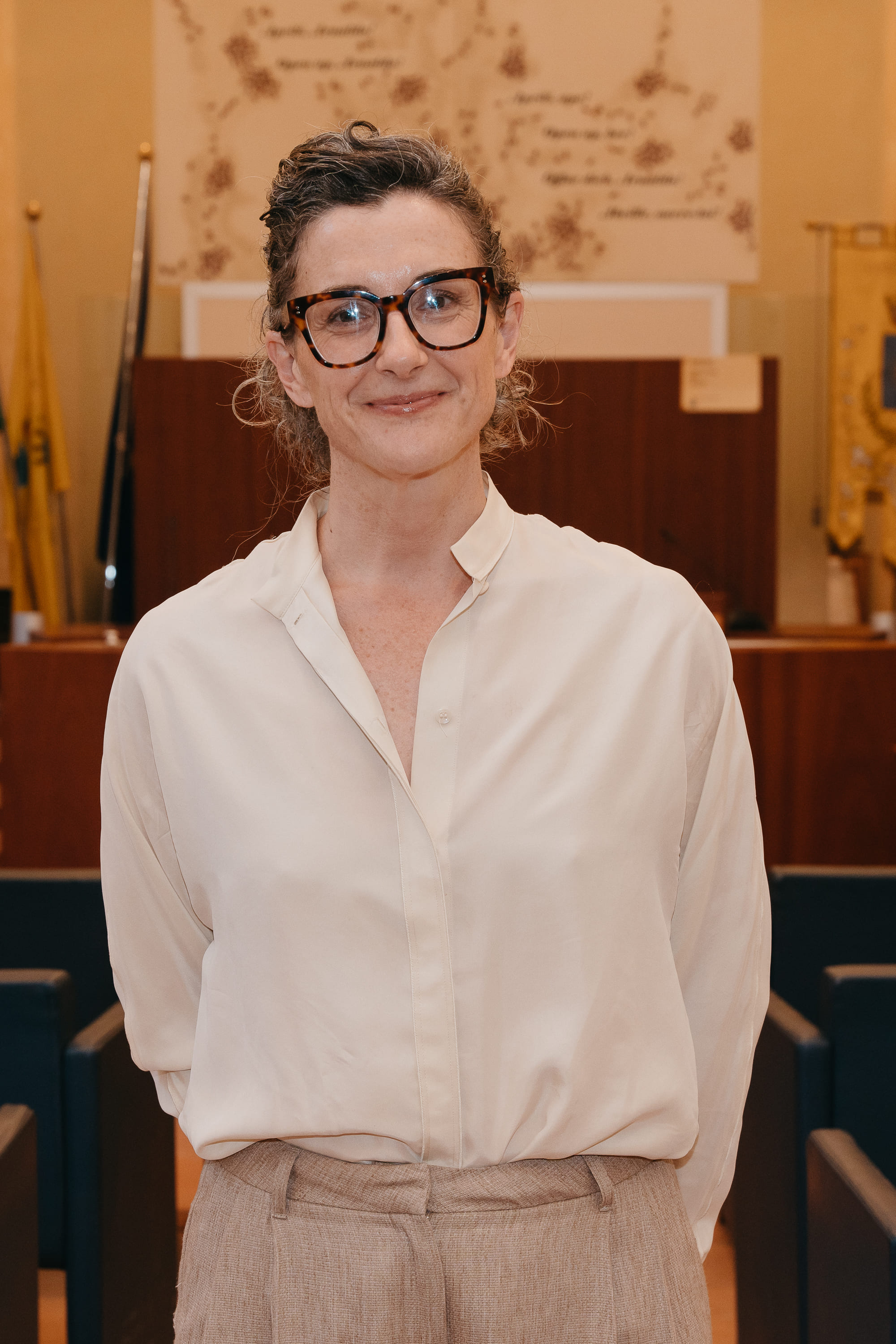 Caterina Bagni is the Mayor of the Municipality of Soliera (MO). She graduated in Architecture from the Politecnico di Milano and worked as a freelancer for several years. Since 2009, she has held positions in the public administrations of the Municipality of Soliera and Castelfranco Emilia, focusing in particular on issues related to public works, road network and environmental policies, urban planning, culture, and security. From 2021 to 2024, she was President of the Campori Foundation, the foundation participated in by the Municipality of Soliera, which is entrusted with cultural services and cultural and trade fair events. Since 2025, she has also been the regional President of ATESIR, the Emilia Romagna Territorial Agency for water services and waste.
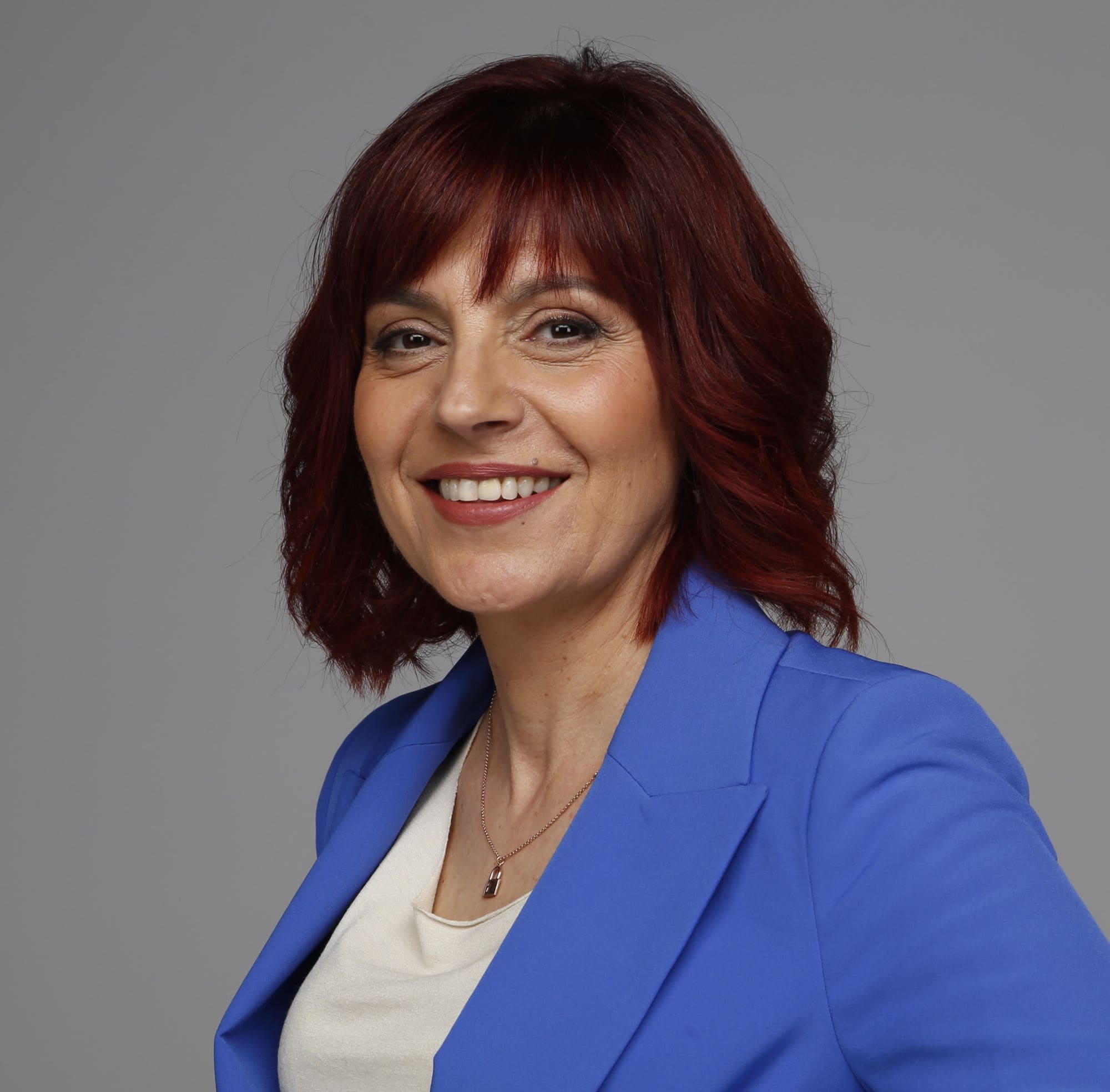 Daniela Tebasti is the Mayor of the Municipality of Campogalliano (MO). She graduated in Mathematics and Physics from the University of Modena and Reggio Emilia and has consolidated significant experience in the corporate Information Systems sector. She is actively involved in social, school, parish, and political volunteering, with various experiences in coordinating work groups. Since 2014, she has been a municipal and Union councilor, Deputy Mayor from May 2019, and Mayor of the Municipality of Campogalliano since June 2024 with delegated responsibilities for: Urban Planning, Culture, Events and Memory, Educational and School Policies, Personnel, General Affairs, Communication, Volunteering and Associations, Security and Legality. In this role, she has taken on the position of Component of the SERN- Sweden Emilia Romagna Network Board of Directors and component of the Board of Directors of Lepida Scpa.
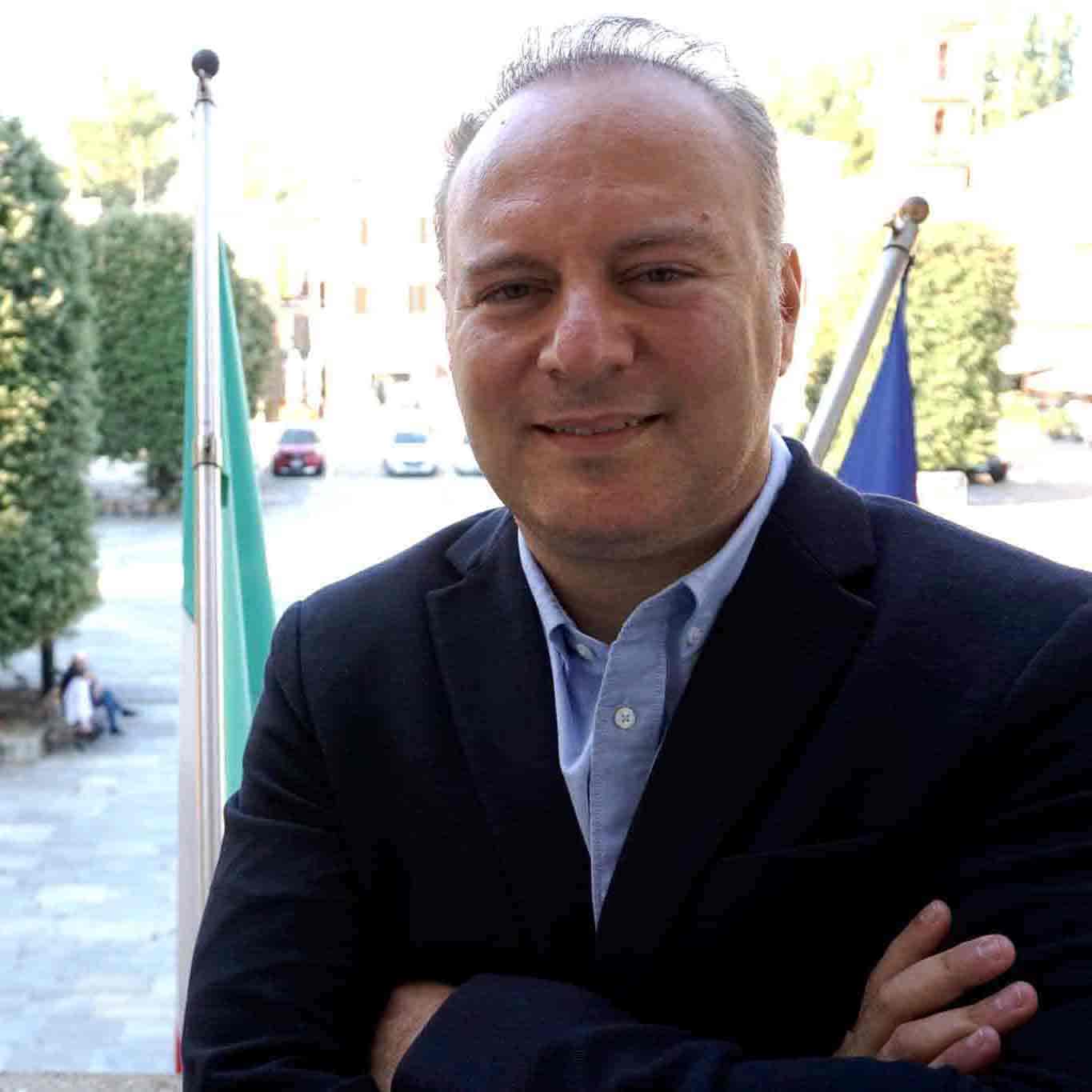
Filippo Petacchi is the Councillor with delegated responsibilities for Public Works, Heritage and Housing Policies, Road Network and Sustainable Mobility, and Public and Private Green Spaces of the Municipality of Campogalliano (MO). He holds a Geometer diploma and a degree in Building Engineering from the University of Florence, and has been registered with the Order of Engineers of Prato since 2010. He has lived in Emilia-Romagna since 2010, where he works and collaborates with various design companies. Over the years, he has been involved in architectural design, structural design, project management, works supervision, and legal and economic consulting. Specialized in the renewable energy sector, with particular attention to structural design and the requalification of industrial roofs, in 2015 he founded the Polisprogetti design studio in Campogalliano.
This text is taken from the #3 March Newsletter Emilia-Romagna NEB - Regenerate with Culture - Newsletter